

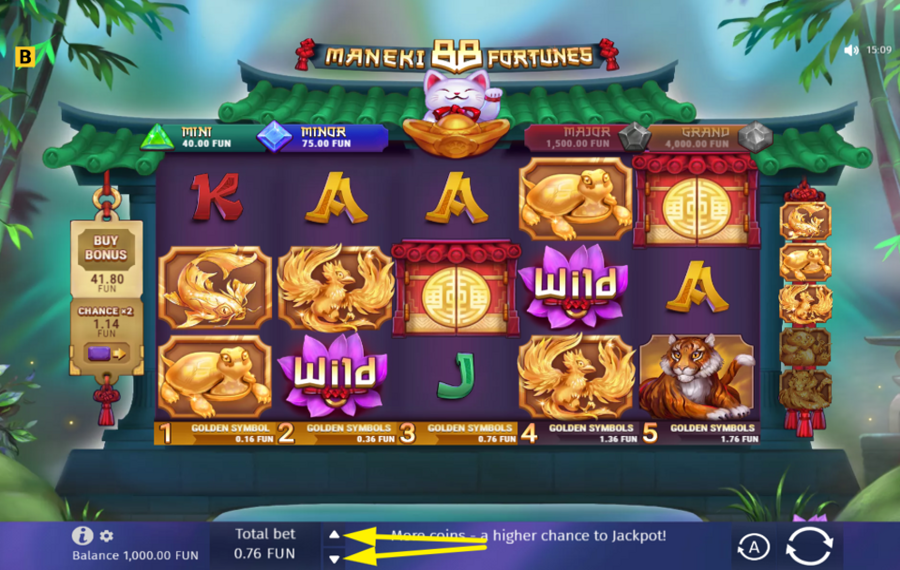
At Maneki Casino zelfuitsluiting, we maintain that the finest experiences are those based on a foundation of precision and personal choice. Gambling, when viewed with the right attitude, can be a engrossing form of leisure that blends chance with a dash of strategy. However, like any leisure pastime, it prospers optimally when bound by considered limits. We are devoted to providing an atmosphere where every player has the tools and awareness to keep their play exactly where it belongs: in the sphere of satisfying recreation. This means going past abstract warnings and offering useful, workable pathways that help you form your own boundaries. From fixing deposit caps to recognizing when a pause is needed, the power to determine your experience sits securely in your hands. Our role is to illuminate those choices, guaranteeing that the thrill of the game never overshadows the everyday life that supports it. By embracing transparency and prompting self-awareness, we endeavor to make every session a deliberate decision rather than an unchecked impulse.
Grasping the Basics of Controlled Play
Playing in a managed manner commences with a straightforward shift in outlook: seeing every wager as a payment for amusement, not as a economic approach. When we enter our account, we should already have decided the highest amount we are prepared to spend for that sitting, considering those resources as the price of a night out or a movie ticket. This cognitive model cuts the emotional tie between victory and a sense of fulfillment, and losing and a feeling of private setback. The result of a spin or a hand is controlled by random number generators, meaning that no level of skill, pattern identification, or lucky customs can guarantee a result. Acknowledging this uncertainty allows us to appreciate the games for their craft, suspense, and the brief relief they offer, rather than seeking an elusive assurance. Equally crucial is isolating gambling funds from household budgets. A specific e-wallet or a pre-funded recreation account can create a robust firewall, making sure that money intended for rent, groceries, or savings never inadvertently drifts into the gaming fund. By grounding our activity in this cost-of-fun principle, we develop a durable mental framework that withstands both winning runs and losing periods without triggering the euphoria or anguish that fuels reckless choices.
Creating a Budget That Functions for You
Before the first spin, a sensible budget needs to be defined based on disposable income, not on the hope of a future win. We recommend devoting a brief period to assess monthly essentials and set aside a strictly optional amount for leisure pursuits. This figure must be an absolute ceiling, never a flexible guideline that stretches during a heated session. One effective method is to divide that monthly ceiling into weekly or even daily allowances, preventing a single afternoon from consuming the entire entertainment fund. Many of our players find it beneficial to set a loss limit alongside the deposit limit, answering the question, “How much am I truly willing to walk away from today?” Writing that number down or mentally stating it before logging in creates a psychological anchor that is harder to ignore in the moment. The aim is not to restrict fun but to protect it from becoming stress. When a budget is exhausted, the session ends naturally, leaving the experience intact as a satisfying pastime rather than a source of regret. This deliberate pacing fosters a sustainable relationship with gaming, where each visit is chosen with full awareness and becomes just one of many hobbies competing for your free time.
Handling Time as a Key Resource
Money frequently plays a central role in discussions about responsible gambling, yet time is an likewise important and maybe more tricky asset. A session that starts with a short ten-minute diversion can effortlessly slip into hours, blurring boundaries with work, family, or sleep. We encourage every player to determine on a session duration before opening a game and to use the real-time clock of their device as a aware checkpoint. Setting a timer on a phone placed just out of arm’s reach can snap us out of the immersive flow and prompt a simple question: “Is this still how I want to be spending my time?” It is also prudent to avoid gambling during periods of emotional vulnerability, such as when we are drained, bored, or coping with stress, because the perception of time shifts and the urge to continue can intensify. By regarding time as a non-renewable budget, we preserve the balance between digital entertainment and the tangible moments that matter most. A well-managed clock ensures that the glow of the screen remains a visitor in our lives, not an unwelcome force that exceeds its welcome and crowds out our real-world responsibilities and joys.
Creating Your Custom Safety Toolkit
Current gaming platforms provide a powerful set of in-built features that transform good intents into solid, enforceable limits. At Maneki Casino, we have designed our responsible gambling toolkit to be user-friendly and directly reachable from your account dashboard, with no requirement to contact support for routine modifications. These tools serve as a silent partner in your self-regulation efforts, on their own acting when specified levels are reached. Not at all penalizing, they are safeguarding safeguards that honour the boundaries you define for yourself when your thinking was at its clearest. We see them as a proactive commitment you create with your future version—a acknowledgment that in the midst of a play, feeling-based decision-making can briefly supersede rational strategies. By configuring these options soon, you establish an environment where the system remembers your limits even if your impulse momentarily forgets them. This technological aid coordinates our platform with your long-term wellbeing, guaranteeing that a laws-lois.justice.gc.ca instant of thrill never cascades into persistent financial or emotional burden. The toolkit is entirely adaptable, so it evolves with you as your circumstances and comfort levels change over time.
Financial input Limits as Your Economic Anchor
The deposit limit is the cornerstone of any responsible gaming strategy, functioning as an inviolable cap on the funds that can reach your account over a set period. We offer flexible options that allow you to establish daily, weekly, or monthly maximums depending on how you wish to organize your entertainment budget. When you define a limit, our system implements it immediately, stopping any deposit attempt that would move your net contributions beyond the selected threshold. Importantly, any request to raise a limit is subject to a cooling-off period, offering you ample time to evaluate whether that modification truly serves your interests. This delay is not an hindrance but a safeguard that mitigates rash choices sparked by a downturn or a transient desire to chase a jackpot. Lowering a limit, on the other hand, takes effect immediately, allowing you to restrict controls immediately whenever you sense the need for more prudence. By allowing the numbers speak transparently and neutrally, a well-calibrated deposit limit eliminates the mental bargaining that often leads to overspending, replacing it with a peaceful confidence that today’s play is fully paid for before it even gets underway.
Reality Assessments and Session Notifications
Even the most disciplined player can lose sight of time when intensely focused, which is why intermittent reality checks are such a valuable addition to your arsenal. Once enabled, this feature shows a notification at set intervals—typically every thirty, sixty, or ninety minutes, depending on your preference—outlining your session duration, current balance, and net result. The break is carefully designed to break the automatic rhythm of play and prompt a thoughtful decision about whether you wish to continue. You are then given a simple choice: acknowledge the information and proceed, or sign out and take a break. This gentle nudge can be extraordinarily effective because it reintroduces rational awareness into an activity that depends on rapid, instinctive clicks. Many of our players report that the mere certainty a reminder will appear soon makes them more mindful of each bet. Pairing reality checks with a session timer creates a dual layer of accountability, where both the platform and your own pre-set alarm collaborate to keep your gaming consistent with the rational intentions you had at the very start of the day.
Identifying Problematic Conduct Quickly
The line between passionate recreation and dangerous behavior can blur progressively, making timely identification one of the strongest abilities we can cultivate. No one acquires out of nowhere a major gambling addiction; it has a tendency to build up via small shifts in mindset, such as downplaying a loss as trivial one week and pursuing it with higher bets the next. We are convinced in promoting a atmosphere of sincere self-evaluation where gamblers regularly ask themselves not just “What was my expenditure?” but “How do I perceive about the hours and finances I allocated to gambling this month?” Emotional honesty can be challenging because it needs us to address awkward facts, yet it is also the most dependable indicator. Keeping a straightforward journal that documents emotional state pre- and post- gambling rounds, the stimuli that prompted a session to the gaming establishment, and the justifications used to go beyond a limit can reveal tendencies that might otherwise stay hidden. The objective is never to instill guilt, but to create a distinct, accurate picture of your relationship with gambling so you can make informed adjustments. Similarly we schedule health check-ups or review our services, a periodic gambling audit—perhaps at the close of each month—helps spot issues at a stage where they are simple to modify.
Psychological and Conduct Red Flags
Our inner world often transmits the initial distress signals far ahead of a credit card statement shows a problem. Persistent preoccupation with past losses, frustration when unable to gamble, or a uneasy urge to amplify stakes to recapture an initial buzz are all emotional signs that the activity is moving from want to need. You might observe that conversations with loved ones become defensive, that you minimize the time spent online, or that your mood depends heavily on a session’s outcome. Sleep disruption, anxiety when not placing a bet, and a loss of interest in hobbies that once provided joy are further signals that gambling is intruding on mental space. These signs are important because emotional dependency often precedes financial harm, giving us a precious window to step in with self-imposed limits or a cooling-off break. Accepting such feelings requires courage, but doing so robs them of their silent power and converts them into actionable data. When you can tell to yourself, “I acknowledge that I’m thinking about a loss more than I am comfortable with,” you have already taken the first step towards rebuilding balance.
Economic and Personal Strain
If the emotional signs go unaddressed, they frequently appear as tangible problems in financial matters and close relationships. Taking money to gamble, allocating funds meant for necessary expenses, or repeatedly depositing small amounts beyond a set limit in the expectation that the next round will recoup everything are all stark indicators that self-control is weakening. On the relational side, secrecy often deepens: you might secret notifications, lie about your movements, or become evasive when a partner asks routine questions about your spare time. The strain can accumulate quietly, damaging trust and building a dual life that separates you from the people who care most. At this stage, the matter is no longer a private concern but one that influences the structure of everyday life and the welfare of those close to you. Acknowledging these patterns is not about fault; it is about understanding. Money logs and honest talks serve as mirrors that reflect reality without distortion. Once identified, these strains can be handled straightaway, often with the help of neutral professionals who concentrate in handling the overlap of money, emotion, and healing.
Pausing with Self-Exclusion
There are moments when the safest relationship with gaming is a thorough planned break so that we can reestablish our connection with risk and reward. Self-exclusion is the most decisive tool we offer, permitting you to close your account for a set period of time during which you will be incapable to log in, place bets, or receive promotional communications. We regard this not as a punishment but as a courageous act of self-care, a chosen break that honours your long-term wellbeing above momentary amusement. During an exclusion period, our systems will deny any try to access the account, and we will make every appropriate effort to stop new sign-ups using your verified details. The process is uncomplicated, requires no justification, and can be started straightaway from your account settings or through a quick conversation with our support team. For many individuals, a temporary break of a few weeks is sufficient to regain clarity, recalibrate spending habits, and come back with a revitalised, less burdened approach. For others, a longer or fixed option offers essential protection against behaviours that have become hard to manage independently. No matter the length, the door you close is one of commitment, indicating that you are putting first the person beyond the screen over the player at the keyboard.
Short-Term Cooling-Off Periods
An initial cooling-off period, generally lasting from a day to six weeks, is a superb first step when you spot the first indications that gambling is occupying more of your mind than you prefer. This temporary pause serves as a reset, disrupting any developing patterns and providing the brain opportunity to recalibrate its reward expectations. During this period, the lack of gambling-related stimuli often uncovers how much of your routine centered on the activity and whether it was masking boredom, loneliness, or stress. We urge you to use this time productively: rebuild with offline hobbies, meet friends without any reference of bets or odds, and notice how your mood and energy evolve. Many people discover that after only a few days, the urge to gamble diminishes more quickly than thought, supplanted by a newfound interest in other forms of leisure. When the cooling-off period concludes, you are invited to return, but we recommend first checking your deposit and session limits to ensure the fresh start is established on even stronger foundations than before.
Extended and Permanent Exclusion
If gambling has progressed past a casual hobby and is resulting in steady distress, financial anxiety, or relationship conflict, a long-term exclusion of six months or more, involving a permanent closure, can be the kindest decision. This level of separation creates a stable environment without temptation, enabling deeper personal growth to occur without the constant risk of relapse. Our crew treats each extended account closure request with the greatest seriousness, making certain the account is completely locked and that marketing connections are cut so that triggers are reduced across every channel. We also offer advice on supporting actions, including putting in website filters, clearing saved payment details, and notifying a confidant or family member of the decision. The lasting nature of this choice can feel weighty, but it also offers a strong sense of release: a distinct conclusion to a chapter that was not benefiting you. Recovering health takes time, and the support structures available outside our platform are prepared to help you through that process with expert, neutral support.
Expert Support and Third-Party Resources
While the tools within our platform provide strong first-line defences, some situations derive profoundly from the guidance of trained professionals who operate fully independent of the gaming industry. We actively encourage connecting with such resources whenever you believe that gambling has begun to cause you or a loved one persistent distress, no matter of the amount of money involved. The global network of support organisations delivers free, confidential, and multilingual helplines, as well as structured therapy programmes that have helped countless individuals recover command over their lives. These services understand the psychological mechanisms behind compulsive behaviour and can provide strategies that go beyond simple abstinence, addressing underlying emotional triggers, trauma, and co-occurring conditions such as anxiety or depression. Reaching out for help is never a sign of weakness; it is a practical, smart response to a complex challenge that no one should be expected to resolve in isolation. Just as we consult a doctor for a persistent physical ailment, consulting a specialist for gambling-related distress employs expertise to accelerate healing and build lasting resilience.
Support Lines and International Organisations
Many worldwide organisations maintain dedicated helplines operated by skilled advisors who can listen without bias and help you plan a path forward. Groups such as Gamblers Anonymous present peer-support meetings in many tongues and arrangements, including online sessions that can be accessed discreetly from home. GamCare and the National Council on Problem Gambling deliver round-the-clock chat, telephone, and forum-based support, guaranteeing that help is accessible the moment you become ready to pursue it, even in the middle of the night. These services are fully confidential and often act as the first point of contact for both individuals facing difficulties and family members looking for guidance. They can help with practical steps like self-exclusion across multiple operators, financial counselling, and direction to local treatment providers. Keeping a list of these numbers recorded on your phone, even if you never need to use them, is a quiet act of self-compassion that preserves options open and reduces the threshold for taking action when it matters most.
Therapy, Counselling, and Peer assistance
Long-term healing frequently profits from structured therapeutic approaches, most notably cognitive-behavioural therapy, which helps identify and reframe the distorted thinking that sustains compulsive gambling. A qualified therapist can collaborate with you to reveal the exact triggers—whether they are loneliness, financial stress, or a craving for excitement—and build healthier coping mechanisms. Peer support groups add another dimension, surrounding you with people who have navigated a similar journey and who extend compassion without shame. The combination of professional insight and communal understanding often builds a potent force that transforms shame into shared strength. Many services now provide online counselling, making it possible to access reliable help regardless of your location or schedule. The journey is seldom straightforward, and setbacks can occur, but every meeting with a therapist or every session attended is a vote cast for the person you want to become. These resources serve as reminders that gambling problems reside in the mind and the heart, and that healing respects both.
Safeguarding Those Around You

Responsible gambling extends beyond the person to cover the safety of family members, family, and notably those too young to make educated choices. At Maneki Casino, we run a strict age validation process that employs dependable third-party checks to prevent anyone under the legal age from using our services, because we maintain that childhood should be entirely free from commercial gambling demands. Yet the digital landscape requires vigilance beyond the registration form. Domestic devices, shared Wi-Fi networks, and saved payment details can establish unexpected pathways for underage individuals or susceptible adults if left insecure. We urge every adult in a household to take thorough measures: turn on parental controls on all devices, use individual profiles with strong passwords, and never leave an active session unattended. These simple acts of cyber hygiene form a safeguarding fence that bolsters our own verification systems. Just as important is promoting an open family conversation about gambling, demystifying it goal.com as an adult activity with real-world outcomes, so that fascination doesn’t drive children towards unregulated sites. Shielding those around you also means demonstrating the moderate behaviour this article describes; when young people see adults establishing limits and walking away contentedly, they internalize a healthier model for their own future actions.
Minor Gambling Prevention and Digital Safety
Blocking underage access necessitates a collaboration between the platform and the household. On our side, identity verification is compulsory and includes document checks that go beyond simple self-declaration. On your side, we suggest installing reputable parental control software that blocks gambling-related domains across all internet-connected devices, including gaming consoles and mobile phones. Storing payment credentials securely and using two-factor authentication adds an extra barrier that prevents impulsive or accidental use of your account by someone else in your home. It is also wise to keep gambling apps in a secure folder on your phone rather than on the main screen, reducing curiosity-driven exploration. Regular conversations with teenagers about the difference between skill-based video games and chance-based gambling can build critical media literacy, helping them recognise and resist the lure of simulated gambling features that are sometimes embedded in other apps. Vigilance is not about mistrust; it is about creating an environment where the boundaries are so clear and the protections so thorough that the chances of an underage individual encountering gambling are reduced as close to zero as possible.
FAQ
How can I set a deposit limit on my Maneki Casino account?
You can configure your deposit limit through the responsible gambling section of your account dashboard. After logging in, proceed to your profile settings and choose the deposit limits tab. Select a daily, weekly, or monthly cap and specify the amount. The change applies immediately if you reduce a limit, while any request to increase a limit undergoes a mandatory cooling-off period of up to twenty-four hours. This delay prevents impulsive decisions made during a session and ensures that every adjustment demonstrates calm and considered judgment instead of a fleeting emotional state.
What takes place when I activate a self-exclusion?
After you activate self-exclusion, your account is immediately locked for the duration you select, ranging from six months to a permanent closure. During this period you cannot log in, deposit, or receive marketing messages. We also implement reasonable steps to prevent new accounts being registered using your verified details. After the exclusion period concludes, your account stays inactive unless you formally request its reactivation, which is dependent on a review and a further seven-day cooling-off window, providing you with ample time to reassess your decision and confirm it matches with your long-term wellbeing.
Can I take a temporary break without permanently closing my account?
Indeed, a cooling-off period provides a flexible way to step back for a brief time. You can opt for a break running anywhere from 24 hours up to six weeks. During this interval your account is locked for play, but it remains in a suspended state rather than being permanently shut. This option is well-suited when you notice early signs of exhaustion or if gambling is consuming more mental space than you wish, allowing you a full rest without the finality of a long-term exclusion, so you can come back with a clearer outlook when the period automatically ends.

What constitute the early warning signs that I could be losing control?
Early warning signs often emerge in your emotions before they show up in your finances. These include dwelling continuously about past losses, experiencing irritable or restless when not gambling, and hiding the extent of your play from loved ones. You may also observe that you are recouping losses by growing bet sizes, devoting more time than planned, or taking money to continue. If gambling commences to affect your sleep, mood, or relationships, it is wise to utilize the platform’s reality check tools and consider a cooling-off break, while also reaching out to an independent support service for confidential counseling.
