
Introduction
Ali was getting ready for a long road trip through the countryside. Mobile signals would disappear for hours, but he had already created a playlist of motivational talks and relaxing music on YouTube. The only problem was that streaming wouldn’t be possible once he left the city. After searching for a simple solution, he discovered YTMP3, a tool that allowed him to convert videos into audio files for offline listening.
That small discovery completely changed his travel experience. Instead of worrying about buffering or lost internet connections, he enjoyed uninterrupted entertainment throughout the journey.
Stories like Ali’s explain why YTMP3 has become so popular among people who want convenient access to audio content. Whether you’re interested in podcasts, educational lectures, or music available with permission, understanding how this type of tool works can help you make smarter and safer choices online.
What Is YTMP3 and Why Do People Use It?
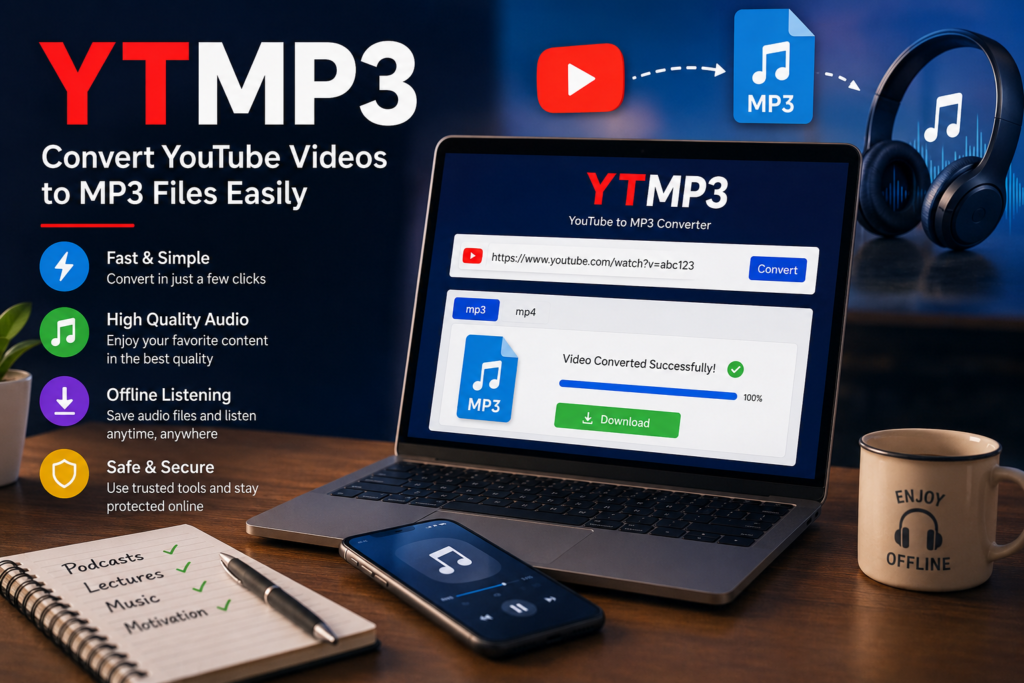
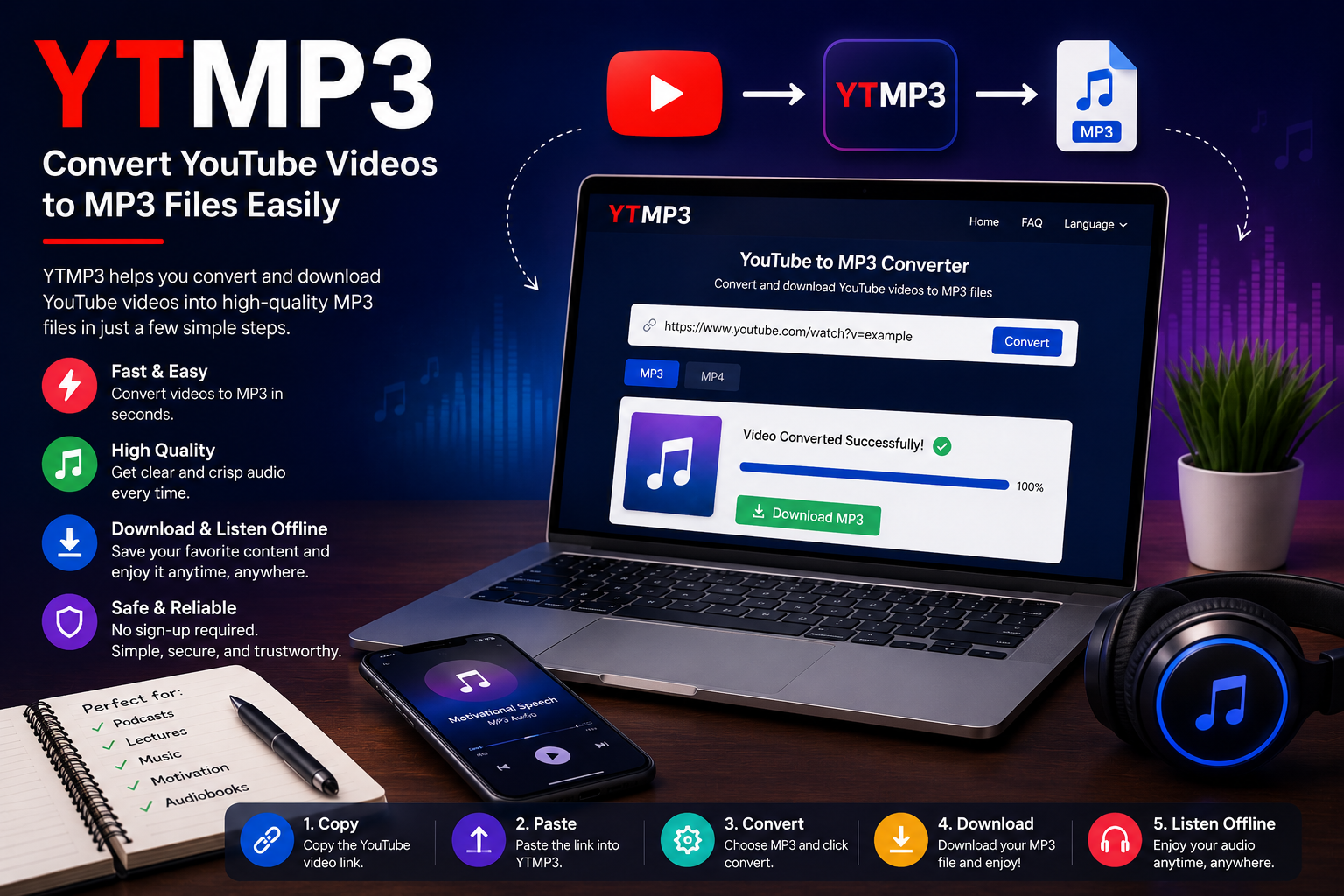
YTMP3 is widely recognized as an online video-to-audio conversion tool that allows users to transform supported online video links into downloadable audio or video files. The idea behind it is surprisingly simple. Instead of requiring complicated software installations, many users only need to paste a video link, choose their preferred format, and wait a few moments for the conversion to finish.
Imagine carrying a backpack during a hike. You wouldn’t pack your entire house if you only needed a bottle of water and a flashlight. YTMP3 works in a similar way by letting users keep only the audio they want rather than an entire video file. For someone listening to language lessons, interviews, or public lectures, this can save storage space while making content easier to enjoy during travel or exercise.
Its popularity also comes from its simplicity. Many first-time users appreciate that they don’t need advanced technical knowledge. However, convenience should always be balanced with responsible use, especially when considering copyright rules and the rights of content creators.
How YTMP3 Works Behind the Scenes
Although the process appears almost magical, YTMP3 follows a straightforward sequence. After receiving a supported video link, the service processes the media, separates the audio or video stream, converts it into the selected format, and prepares a downloadable file.
Think of it like preparing fresh orange juice. You begin with a whole orange, remove the peel, extract the juice, and pour it into a glass. The original fruit remains the source, but you’ve isolated the part you actually wanted. Similarly, YTMP3 extracts the audio portion from a video when users choose an MP3 format.
This convenience explains why students often use similar tools for educational lectures, travelers prepare offline podcasts before flights, and commuters save motivational speeches for daily drives. Still, not every video is legally available for downloading or conversion. Responsible users understand that permission from the copyright owner or content license is an important part of using these tools ethically.
Benefits, Limitations, and Responsible Use
Like every online tool, YTMP3 has strengths as well as limitations. One of its greatest advantages is convenience. Users can often complete a conversion within minutes without installing additional software. Audio files are generally smaller than videos, making them easier to store on smartphones, tablets, or laptops.
However, convenience doesn’t eliminate potential risks. Some websites using the YTMP3 name may display excessive advertisements or attempt to redirect visitors to unrelated pages. Others may not provide the same level of security or reliability. This means users should remain cautious, avoid downloading unfamiliar software, and never share personal information unnecessarily.
There’s also an important ethical consideration. Creators spend countless hours producing music, documentaries, tutorials, and entertainment. Downloading copyrighted material without authorization may violate laws or platform policies. A better approach is to use YTMP3 only when the content owner allows downloads, when the material is in the public domain, or when you have the legal right to save it for offline use.
Choosing Safe Alternatives and Best Practices
Imagine borrowing a friend’s bicycle. You’d probably inspect the brakes before riding because safety matters more than speed. The same mindset applies when choosing any online conversion tool.
If you decide to use a service like YTMP3, verify that you’re visiting a trustworthy website, avoid suspicious download buttons, and keep your browser and antivirus software updated. Never install unknown browser extensions simply because a website requests them.
It’s also worth exploring official offline listening options. Many streaming platforms offer legal download features through subscriptions or creator-approved services. These options often provide better audio quality while ensuring artists and creators receive proper support.
Ultimately, technology should make life easier without compromising security or fairness. The smartest users aren’t simply the fastest downloaders—they’re the people who understand when, where, and how digital tools should be used responsibly.
Frequently Asked Questions
Q1. What is YTMP3 used for?
YTMP3 is commonly used to convert supported online videos into downloadable audio or video files. Many people use it for offline listening to educational content, podcasts, or other media they have permission to access. It offers a quick and simple conversion process through a web browser.
Q2. Is YTMP3 free to use?
Many YTMP3 services are available without charging users for basic conversions. However, features and limitations vary depending on the website providing the service. Users should always review the site’s terms before using it.
Q3. Is it legal to use YTMP3?
The legality depends on the content being converted and the copyright laws in your country. Downloading content that you own, that is in the public domain, or that the creator has authorized is generally different from downloading copyrighted material without permission. Always respect applicable laws and creator rights.
Q4. Can YTMP3 affect my device’s security?
The conversion concept itself isn’t necessarily harmful, but some unofficial websites may contain misleading advertisements or unwanted downloads. Using trusted websites, updated browsers, and reliable antivirus software helps reduce potential risks. Avoid clicking suspicious pop-ups.
Q5. Does YTMP3 reduce audio quality?
Audio quality depends on the original source and the conversion settings offered by the service. If the original video has high-quality audio, the converted file may still sound good, though some compression can occur. Results vary between platforms.
Q6. Are there better alternatives to YTMP3?
Yes. Many official streaming platforms provide legal offline downloads for subscribers or allow creators to enable downloads. These options often deliver better reliability, improved quality, and support for the people who created the content.
Conclusion
YTMP3 has become a familiar name because it offers a simple solution for people who want convenient access to audio content. Its ease of use makes it attractive for travelers, students, commuters, and anyone who enjoys listening offline. At the same time, convenience should always be paired with responsibility. Understanding copyright, protecting personal security, and choosing trustworthy services are just as important as completing a fast conversion.
Technology continues to reshape the way we consume digital content, but every click reflects a choice. Supporting creators while using online tools responsibly creates a healthier internet for everyone. The most valuable download isn’t simply an audio file—it’s the knowledge that you’ve used technology wisely, safely, and with respect for the people whose creativity makes the digital world worth exploring.