
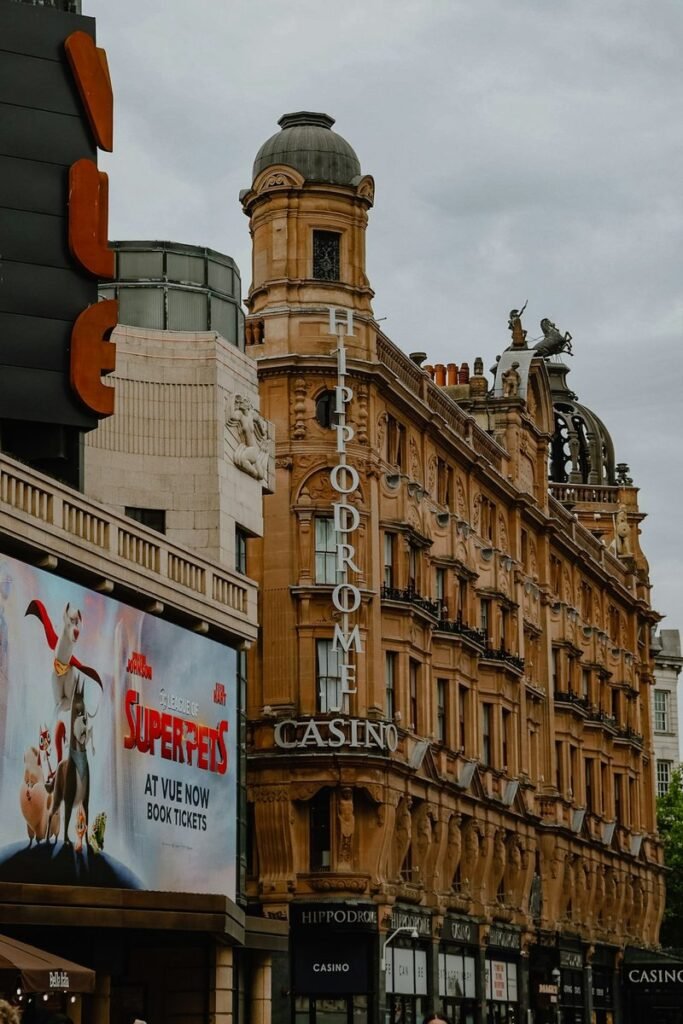

Picture a Saturday night in Manchester: a friend suggests a dive into a local bar, but you’re scrolling through a game that can win you a £50 voucher for a future visit. That shift from a physical pub to a digital screen isn’t a trend; it’s a new rhythm in how people spend their evenings.

Step 1 – Identify the Hotspots
Start by mapping out venues that already host gaming nights. In Birmingham, the “Game & Grog” bar offers a 15‑minute tournament every Friday. In London, the “Pixel Pub” runs a daily leaderboard that tracks top scores across a handful of classic arcade titles. These spots prove that the appetite for interactive entertainment isn’t limited to home screens.
Step 2 – Understand the Device Advantage
Smartphones carry a processor that can run sophisticated graphics, a camera for live streaming, and a payment gateway that processes micro‑transactions in seconds. In the UK, 78% of adults own a phone that can handle 4K streaming, and 62% have used an in‑app purchase for a game. That means a bar can host a tournament and pay out winners instantly via a digital wallet, cutting the cash‑handling hassle.
Step 3 – Integrate Social Features
Players love bragging rights. A bar that syncs its leaderboard to a public Discord server or a club’s Instagram Stories can turn a simple game into a community event. In Leeds, the “Night Shift” lounge added a live Twitch stream of its nightly tournament, and footfall rose by 12% in the first month.
Step 4 – Offer Tangible Incentives
Rewards that translate to real‑world perks keep the momentum. A £10 voucher for a free pint, a free round of drinks, or a discounted entry to the next event are all effective. In Glasgow, the “Retro Bar” gives a 20% discount on the next night’s entrance to any player who scores over 5,000 points. That small incentive can double repeat attendance.
Step 5 – Keep the Experience Inclusive
Not everyone is a gamer. Offer a “quick‑start” mode that lets newcomers play a single level before deciding to dive deeper. In Edinburgh, a bar that paired a beginner’s tutorial with a free drink for the first 10 players saw a 30% increase in new customers who later returned for full tournaments.
Common Mistake: Assuming All Gamers Are Tech‑Savvy
Many venues assume every patron can navigate an app or understand in‑app purchases. In reality, 18% of UK adults still prefer cash for small transactions. Providing a simple QR code that links to a web‑based game or a “pay‑by‑phone” option can bridge that gap.
Why It Matters to Your Bottom Line
When a bar hosts a mobile gaming event, the average spend per customer can climb by 15% because players are more likely to order drinks while they wait for the next round. Moreover, the digital footprint—social media shares, live streams, leaderboard posts—acts as free marketing that reaches thousands beyond the venue’s immediate circle.
In the same vein, the online world offers a parallel avenue for entertainment. If you’re looking to explore a different kind of thrill, you might find that the same skill set you enjoy on your phone can translate to a broader gaming experience. If you’re craving a similar adrenaline rush from the comfort of your home, check out Love Casino.
Wrap‑Up – Embrace the Hybrid Night
Mobile gaming is no longer a niche hobby; it’s reshaping the social fabric of UK nightlife. By spotting the right venues, leveraging device capabilities, integrating social feeds, offering real rewards, and staying inclusive, you can turn a simple night out into an unforgettable event that keeps people coming back. The next time you plan a night out, consider adding a gaming element—your friends will thank you, and your wallet will too.
Frequently Asked Questions
How do mobile gaming nights work at bars?
Bars partner with game developers to host short tournaments; winners receive vouchers or cash prizes.
Can I play on my phone while at the bar?
Yes, most games are cross‑platform and sync with the bar’s in‑house app for instant play.