

Introduction
The first time my neighbor left for a weekend trip, she looked unusually calm. There were no frantic phone calls asking someone to water the plants or double-check whether the front door was locked. A few taps on her smartphone gave her complete control over her home from hundreds of miles away. Watching that simple moment made me realize that a smart home isn’t about showing off the latest gadgets—it’s about creating peace of mind.
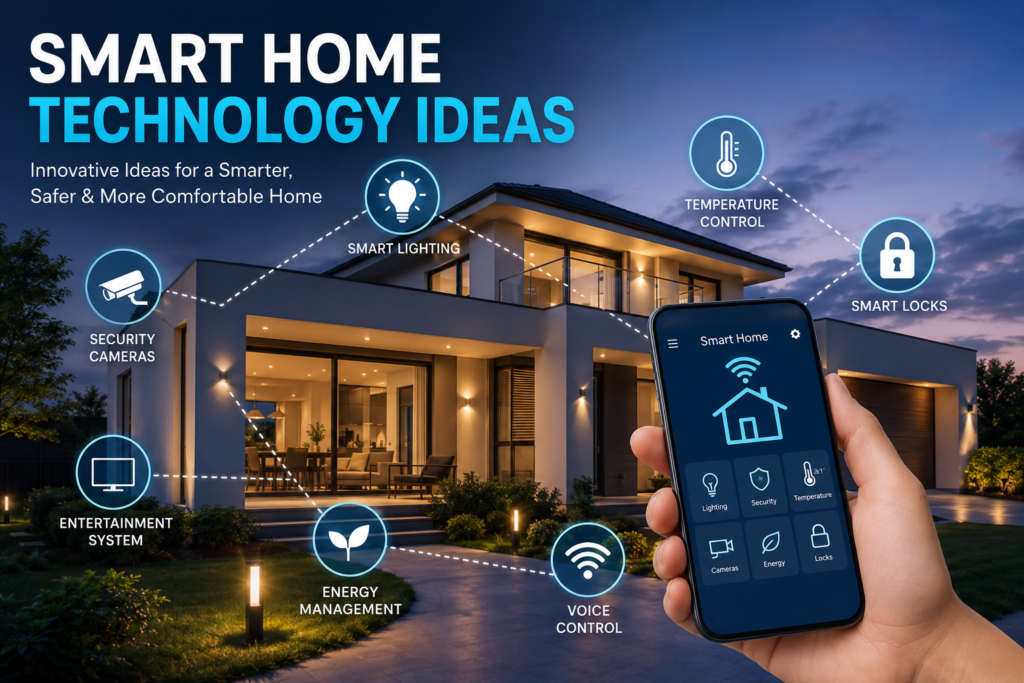
Many people imagine smart homes as futuristic houses filled with expensive technology. The truth is much simpler. Smart home technology ideas are becoming affordable, practical, and surprisingly easy to use. Whether you want better security, lower electricity bills, or more convenience, the right smart devices can completely change how you experience your home.
Smart Lighting That Understands Your Lifestyle
One of the easiest ways to begin building a smart home is by upgrading your lighting. Imagine walking into your home after a long, exhausting day and having the lights automatically turn on with a warm, relaxing glow. It feels less like technology and more like your home welcoming you back.
A friend of mine installed smart bulbs after forgetting to switch off the lights before leaving for work countless times. Instead of wasting electricity, he now controls every light using his phone or voice assistant. Even better, the lights automatically dim at bedtime, creating a peaceful environment that helps everyone sleep better.
Smart lighting also improves home security. While you’re traveling, scheduled lighting can make it appear that someone is still inside the house. This simple feature discourages potential intruders without requiring expensive security systems.
Think of smart lighting as teaching your home to understand your daily routine. Instead of adjusting your habits to fit your house, your house begins adapting to your lifestyle.
Smarter Security Brings Everyday Peace of Mind
Security isn’t just about preventing break-ins. It’s about feeling confident whether you’re sleeping upstairs, working in the office, or vacationing across the country. Modern smart home technology ideas make this easier than ever.
Picture a package arriving while you’re at work. Instead of worrying about theft, a smart video doorbell sends a live notification directly to your phone. You can even speak with the delivery driver remotely. Smart locks allow trusted family members or neighbors to enter without hiding spare keys under flowerpots or doormats.
A relative recently experienced this benefit firsthand. While enjoying a family vacation, their smart security camera detected movement in the backyard. The alert turned out to be nothing more than a curious neighborhood cat, but the instant notification provided reassurance that everything at home was safe.
Technology cannot replace common sense, but it acts like an extra set of eyes that never gets tired. That constant awareness allows homeowners to relax instead of constantly wondering what might be happening while they’re away.
Smart Energy Solutions Save Money Without Sacrifice
Nobody enjoys opening a surprisingly high electricity bill. Smart home technology offers a practical solution by helping families use energy more efficiently without reducing comfort.
Smart thermostats learn your schedule over time. Instead of heating or cooling an empty house all day, they automatically adjust temperatures when everyone leaves and prepare the home just before someone returns. It’s similar to having a personal assistant managing your home’s climate every hour of the day.
Smart plugs provide another clever solution. Many electronic devices continue consuming electricity even when turned off. With smart plugs, you can schedule appliances to shut down completely, reducing unnecessary energy usage.
One family I know began tracking their home’s energy consumption through a mobile app. Within just a few weeks, they discovered hidden power drains they had never noticed before. Small adjustments added up to meaningful monthly savings.
Saving energy doesn’t require dramatic lifestyle changes. Sometimes, giving your home the intelligence to eliminate waste is enough to make a noticeable financial difference.
Entertainment and Comfort That Feel Effortless
Technology is at its best when it quietly improves daily life without demanding constant attention. Smart entertainment systems create experiences that feel natural instead of complicated.
Imagine waking up on a winter morning. Your curtains slowly open, soft music begins playing, the coffee maker starts brewing, and your thermostat gently warms the room before your feet touch the floor. It sounds luxurious, but today’s smart home technology makes routines like this surprisingly achievable.
Voice assistants have become the central hub for many households. Instead of searching for multiple remote controls, you can simply ask your home to play music, display recipes, check the weather, or control connected devices. The technology fades into the background while convenience takes center stage.
Families also appreciate personalized settings. Parents may prefer brighter lighting during breakfast, while teenagers enjoy customized entertainment in their bedrooms. Smart systems allow different preferences without creating unnecessary complexity.
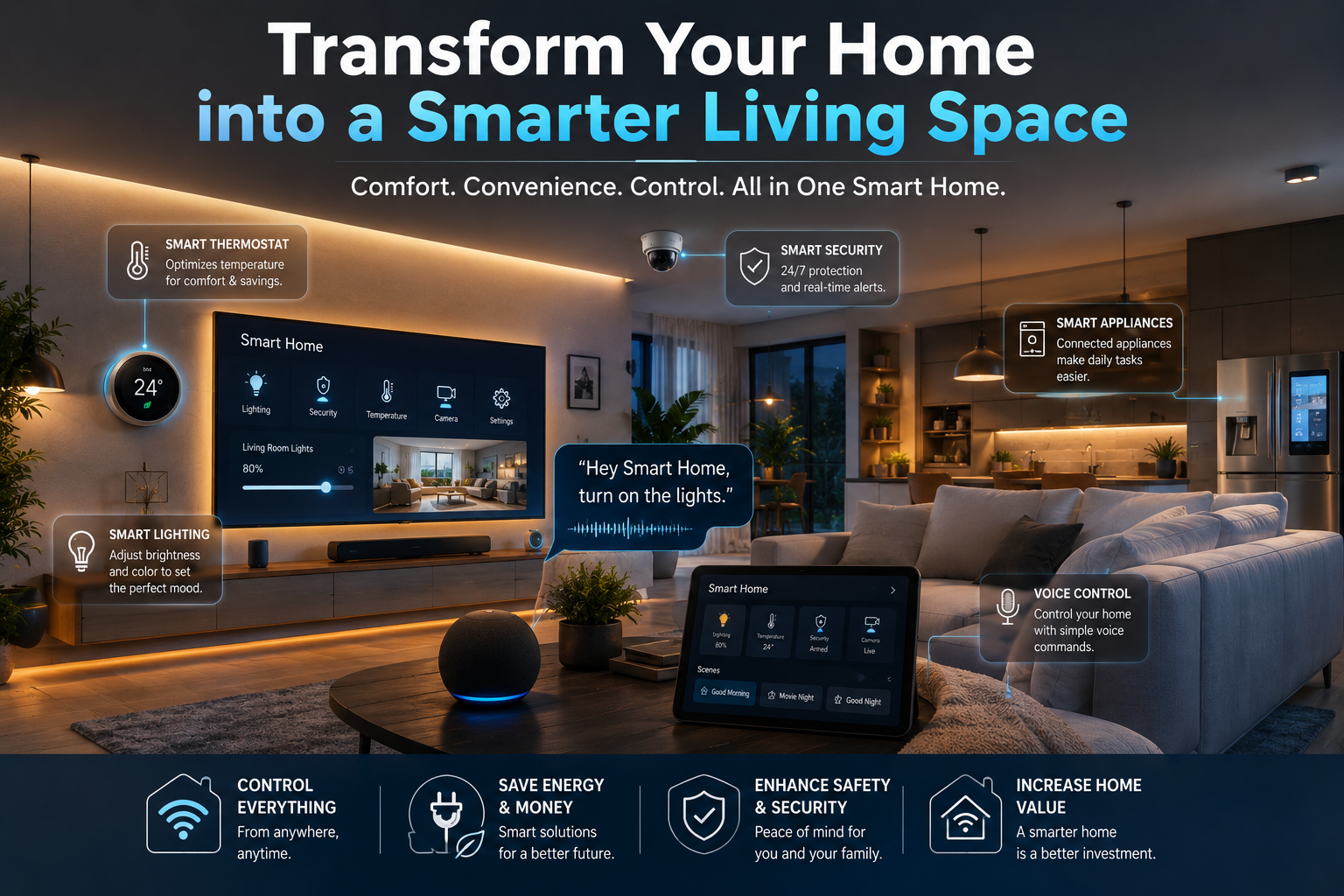
Ultimately, comfort isn’t about owning the most expensive gadgets. It’s about designing a home that quietly supports your daily routines, giving you more time to focus on the people and experiences that matter most.
Frequently Asked Questions
Q1. What is smart home technology?
Smart home technology refers to internet-connected devices that allow homeowners to monitor, automate, and control different parts of their home remotely. These devices include lighting, security cameras, thermostats, locks, speakers, and appliances. They work together to improve convenience, safety, and energy efficiency.
Q2. Are smart home devices expensive to install?
Not necessarily. Many beginners start with affordable smart bulbs, plugs, or speakers before expanding their setup over time. Building a smart home gradually makes the investment much more manageable while still delivering noticeable benefits.
Q3. Can smart home devices reduce electricity bills?
Yes. Smart thermostats, smart plugs, and intelligent lighting systems help eliminate unnecessary energy use. By automatically adjusting settings based on your routine, these devices often reduce monthly utility costs without sacrificing comfort.
Q4. Is smart home technology secure?
Most reputable smart home devices include strong encryption and regular software updates. Users should also create strong passwords, enable two-factor authentication, and keep device firmware updated. These simple habits greatly improve overall security.
Q5. Which smart home device should beginners buy first?
Smart lighting is usually the easiest starting point because it is affordable, simple to install, and immediately useful. Many people also choose smart speakers since they can control multiple connected devices through voice commands.
Q6. Can smart home devices work together from different brands?
Many modern devices support common smart home platforms, allowing products from different manufacturers to communicate. Before purchasing, it’s always wise to check compatibility with your preferred ecosystem to ensure smooth integration.
Conclusion
Smart home technology ideas are no longer reserved for luxury homes or technology enthusiasts. They have become practical tools that simplify daily routines, strengthen home security, reduce energy costs, and create more comfortable living spaces. The beauty of a smart home isn’t found in the number of connected devices—it lies in how naturally those devices improve everyday life without demanding constant attention.
Every smart upgrade, no matter how small, represents an investment in convenience and peace of mind. Whether it’s a light that greets you after work, a thermostat that quietly saves energy, or a security camera that helps you feel safe while traveling, these innovations add real value beyond their technical features.
The smartest home isn’t the one with the most gadgets. It’s the one designed around the people who live there, making every ordinary day just a little easier, a little safer, and a lot more enjoyable.