

Introduction
The old wooden basket sat quietly on the kitchen table, filled with small reddish-brown fruits that looked almost forgotten. A grandmother picked one up, smiled warmly, and handed it to her curious grandchild. “Taste it,” she said. The child hesitated before taking a bite. The fruit was sweet, slightly crisp, and unlike anything found in a supermarket. That simple moment became a family memory that lasted for years.
Many traditional foods disappear as modern eating habits change, but some manage to return stronger than ever. Žižole is one of those remarkable fruits. Loved across different cultures for generations, it carries stories of family gatherings, home gardens, and natural wellness. Whether you’ve heard the name before or you’re discovering it for the first time, this fascinating fruit deserves a closer look. Let’s explore why žižole continues to capture hearts around the world.
What Are Žižole and Why Are They So Special?
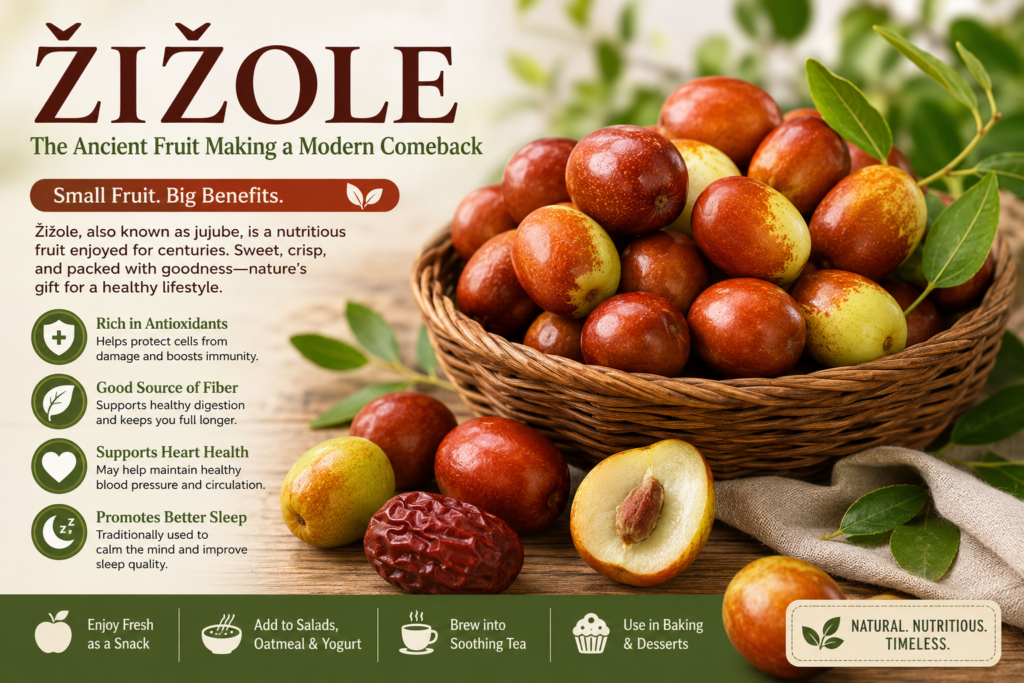
Žižole are the fruits of the jujube tree, known for producing small, round fruits that change from green to reddish-brown as they ripen. At first glance, they may seem ordinary, but one bite quickly reveals their unique charm. Fresh žižole offer a crisp texture similar to an apple, while dried ones become chewy and naturally sweet, almost like dates.
Imagine walking through a countryside village where fruit trees grow freely beside stone houses. Local families eagerly wait for harvest season because žižole represent more than food—they symbolize tradition. Grandparents often remember climbing trees as children, filling baskets with ripe fruit while sharing stories beneath the shade.
Today, many people are rediscovering žižole because they combine history with modern nutrition. Unlike heavily processed snacks, this fruit provides natural sweetness without excessive ingredients. Whether enjoyed fresh, dried, or added to recipes, žižole continue to connect generations through flavor and culture. Their simplicity reminds us that some of the best foods have been growing quietly for centuries.
Health Benefits That Make Žižole Worth Trying
A busy office worker once replaced sugary afternoon snacks with fresh fruit after feeling tired every day. Among the options, žižole quickly became a favorite because they satisfied sweet cravings while providing steady energy. Small lifestyle changes like this often create surprising long-term results.
Žižole contain valuable nutrients that support overall wellness. They provide vitamin C, dietary fiber, antioxidants, and several essential minerals that help maintain a balanced diet. Antioxidants help protect the body’s cells from everyday stress, while fiber supports healthy digestion and may contribute to longer-lasting fullness after meals.
Many traditional cultures have appreciated žižole not only for their taste but also for their calming qualities. Although they should never replace medical treatment, they have long been included in herbal traditions focused on relaxation and general well-being.
The greatest strength of žižole lies in their natural balance. Instead of relying on artificial flavors or refined sugar, they deliver sweetness directly from nature. This makes them an appealing option for people seeking healthier eating habits without sacrificing enjoyment.
Delicious Ways to Enjoy Žižole Every Day
Food often becomes more meaningful when it carries memories. A family picnic feels different when homemade treats include ingredients passed down through generations. Žižole fit naturally into that experience because they are incredibly versatile.
Fresh žižole make an excellent snack straight from the tree or market. Their crisp bite pairs beautifully with cheese, yogurt, or mixed fruit salads. As they dry, their flavor becomes richer, making them perfect for trail mixes, oatmeal, baked goods, or homemade energy bars.
Some families simmer dried žižole into herbal teas that create a naturally sweet aroma throughout the kitchen. Others blend them into smoothies or cook them into jams that preserve their flavor long after harvest season ends.
Even adventurous home cooks enjoy experimenting with savory recipes by adding chopped žižole to roasted vegetables or grain dishes. Their subtle sweetness balances spices and creates unexpected depth. The beauty of this fruit lies in its flexibility—it adapts to both traditional recipes and modern culinary creativity with ease.
Why Žižole Continue to Thrive Across Generations
Food trends change constantly. One year a fruit becomes fashionable, and the next it disappears from attention. Yet žižole have survived centuries because they represent something deeper than popularity.
Think about an old tree standing in the same village for decades. Children become parents, and parents become grandparents, but every autumn the tree still produces fruit. Žižole symbolize continuity in much the same way. Families pass recipes, gardening knowledge, and harvesting traditions from one generation to another.
Modern consumers are increasingly interested in natural foods with authentic stories rather than highly processed products. Žižole perfectly match this growing desire. Their rich cultural background gives them emotional value beyond simple nutrition.
At the same time, sustainable gardening has become more important worldwide. Jujube trees are known for their resilience and ability to grow in challenging conditions, making them attractive for gardeners interested in hardy fruit trees. As people reconnect with home gardening and local food traditions, žižole continue earning new admirers while preserving their historical roots.
Frequently Asked Questions
Q1. What are žižole?
Žižole are the fruits of the jujube tree, known for their sweet flavor and crisp texture when fresh. As they dry, they become softer and sweeter, similar to dates. They have been enjoyed in many countries for centuries.
Q2. Are žižole healthy to eat?
Yes, žižole are considered a nutritious fruit. They contain fiber, vitamin C, antioxidants, and other beneficial nutrients that support overall health. They can be part of a balanced diet when enjoyed in moderation.
Q3. Can you eat žižole fresh and dried?
Absolutely. Fresh žižole have a crunchy texture similar to apples, while dried žižole become chewy and naturally sweet. Many people enjoy both versions depending on personal preference and seasonal availability.
Q4. Where do žižole grow?
Žižole grow on jujube trees, which thrive in warm and temperate climates. They are commonly cultivated across parts of Europe, Asia, and the Mediterranean region. Home gardeners also grow them successfully in suitable climates.
Q5. What do žižole taste like?
Fresh žižole have a mildly sweet flavor with a crisp bite. As they mature and dry, their sweetness intensifies, creating a taste that many compare to dates with subtle apple-like notes.
Q6. How can I include žižole in my daily diet?
You can enjoy them fresh as a snack, mix dried žižole into cereals or trail mixes, brew them into tea, or use them in baking. Their natural sweetness makes them a versatile ingredient for both sweet and savory dishes.
Conclusion
Žižole remind us that extraordinary treasures often arrive in simple forms. Behind their modest appearance lies a fruit filled with history, culture, nutrition, and unforgettable flavor. From family gardens to modern kitchens, they continue building connections between generations while offering a delicious alternative to heavily processed snacks.
Every bite carries a story of tradition, patience, and nature’s quiet generosity. Whether you discover them at a local market, grow your own tree, or simply become curious about their heritage, žižole offer more than nourishment—they invite you to slow down and appreciate timeless foods that have stood the test of time.
Perhaps the greatest lesson from žižole is that not everything valuable needs to be new. Sometimes the oldest traditions still have the freshest ideas to share, waiting patiently for someone willing to take that very first bite.